The Voyage Aeronautics VA-1000 manual is a vital resource for drone pilots, detailing operation, maintenance, and safety for optimal performance and enjoyment.
What is the VA-1000 Drone?
The Voyage Aeronautics VA-1000 is an HD Streaming Video Drone designed for both beginner and experienced pilots. Its compact, fold-in design prioritizes portability, making it easy to transport and deploy. This drone boasts features like obstacle avoidance training and stable flight capabilities. The included manual serves as an essential guide, covering assembly, battery charging, remote control syncing, and fundamental flight controls – including performing 360° stunt rolls.
Purpose of the Manual
This comprehensive manual for the Voyage Aeronautics VA-1000 is designed to equip users with all necessary knowledge for safe and effective operation. It details technical specifications, operational procedures, and crucial safety protocols. Users will find troubleshooting tips, assembly instructions, and guidance on features like HD streaming and obstacle avoidance. Properly understanding this guide ensures maximized flying experience and responsible drone piloting, covering everything from initial setup to ongoing maintenance.
Unboxing and Component Overview
This section details the contents of the VA-1000 package and provides a clear identification of each drone component, including the remote controller.
Package Contents
Upon unboxing your Voyage Aeronautics VA-1000, you should find the HD Streaming Video Drone itself, alongside the dedicated remote controller for precise operation. The package also includes a battery, essential for powering your flights, and the necessary charging cable to keep you airborne.
Furthermore, expect to receive an instruction booklet – a crucial guide for assembly, setup, and safe flying practices. Additional propellers are included, providing replacements if needed, ensuring continued enjoyment of your drone experience.
Drone Components Identification
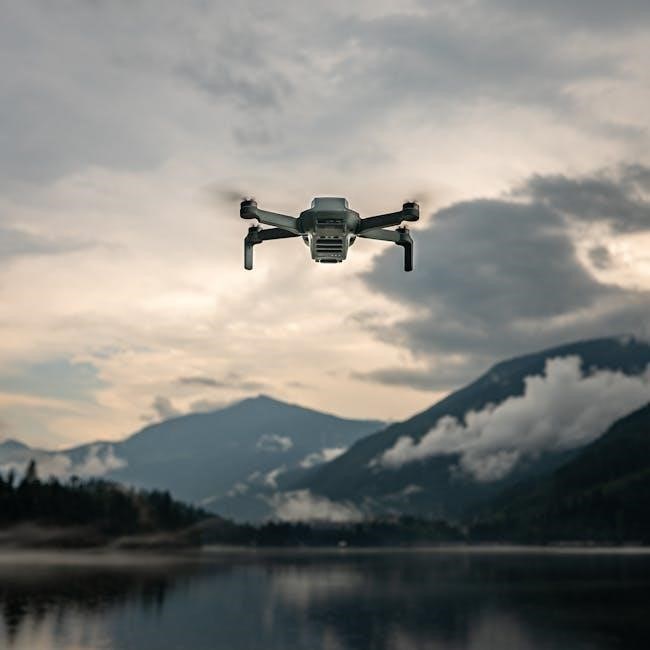
The VA-1000 features a compact, fold-in design for enhanced portability. Key components include the main body housing the camera and flight control systems, and four detachable propellers ensuring stable flight. Identify the battery compartment for easy power access, and the landing gear providing a stable base.
Locate the power button and observe the integrated HD camera for capturing stunning aerial footage. Understanding these components is crucial for assembly, maintenance, and safe operation of your new drone.
Remote Controller Overview
The VA-1000’s remote controller features intuitive controls for precise flight management. Identify the power button, control sticks for directional movement, and dedicated buttons for takeoff, landing, and obstacle avoidance.
Familiarize yourself with the photo/video capture buttons and the mode selection switch. The controller also includes indicators for battery level and signal strength, ensuring a safe and informed flying experience. Proper understanding is key to maximizing control.

Getting Started: Setup and Configuration
Initial setup involves battery charging, remote control pairing, and drone assembly—crucial steps detailed in the manual for a successful first flight experience.
Battery Charging Procedures
Proper battery maintenance is essential for optimal flight performance and longevity. The VA-1000 manual stresses using the provided charger only, avoiding overcharging.
Typically, a full charge takes approximately 60-90 minutes, indicated by a color change on the battery or charger.
Never leave a charging battery unattended, and always disconnect it once fully charged.
Storing batteries fully charged for extended periods can degrade performance; a 40-60% charge is recommended for long-term storage, as outlined in the guide.
Remote Control Setup and Pairing
The VA-1000 manual details a straightforward pairing process. First, ensure the drone and remote controller are powered off. Then, power on the remote and follow the on-screen prompts to initiate pairing mode.
Next, power on the drone; it should automatically connect.
If not, consult the manual for troubleshooting steps, potentially involving pressing a dedicated pairing button on both devices. Successful pairing is confirmed by indicator lights.
Drone Assembly Instructions
The VA-1000 manual emphasizes its simple, fold-in design for easy portability. Assembly primarily involves unfolding the drone’s arms until they click securely into place. Ensure all arms are fully extended and locked before flight. The manual also details propeller attachment, specifying correct propeller orientation (marked A and B) for optimal performance and stable flight. Incorrect installation can lead to instability.
Flight Controls and Operation
The VA-1000 manual details fundamental flight controls, obstacle avoidance training, and various flight modes for both beginner and experienced drone pilots.
Basic Flight Controls
The VA-1000 manual comprehensively explains the drone’s controls, covering throttle for altitude, pitch for forward/backward movement, roll for lateral direction, and yaw for rotation. Understanding these fundamental controls is crucial for stable flight. The manual emphasizes practicing in an open area, starting with gentle movements, and familiarizing yourself with the remote controller’s responsiveness. It also details control sensitivity adjustments for personalized handling and provides guidance on mastering coordinated turns for smooth navigation.
Understanding Flight Modes
The VA-1000 manual details various flight modes for different skill levels and scenarios. These likely include a beginner mode with limited speed and range, a standard GPS mode for stable hovering and assisted flight, and potentially an advanced mode for full manual control. The manual stresses the importance of selecting the appropriate mode based on experience and environmental conditions, ensuring safe and controlled operation. It also explains how to switch between modes effectively during flight.
Obstacle Avoidance System
The VA-1000 manual highlights the drone’s obstacle avoidance capabilities, crucial for safe flight. It explains how the system utilizes sensors to detect and avoid collisions with objects in its path. The manual likely details limitations – such as performance in low light or with transparent objects – and emphasizes that obstacle avoidance isn’t foolproof. Pilots are advised to maintain visual contact and not solely rely on this feature for safe operation.
Advanced Features and Functions
The VA-1000 manual details features like 360° stunt rolls, HD streaming, and a fold-in design, enhancing the flying experience and portability.
360° Stunt Rolls
The VA-1000 manual provides detailed instructions for executing 360° stunt rolls safely and effectively. It emphasizes the importance of open space and sufficient altitude before attempting these maneuvers. Users will find guidance on stick control, throttle management, and understanding the drone’s responsiveness during rotations.
The manual also cautions against performing stunts in windy conditions or near obstacles, prioritizing safe operation. Proper practice and adherence to the guidelines are crucial for mastering this advanced feature.
HD Streaming Video Capabilities
The VA-1000 manual thoroughly explains the drone’s HD streaming video features, covering camera settings, live feed access, and recording options. It details how to connect the drone to your mobile device for real-time viewing and how to optimize video quality for clear footage.
The manual also addresses troubleshooting common streaming issues and provides guidance on maximizing recording duration based on storage capacity. Users will learn to fully utilize the drone’s camera for stunning aerial perspectives.
Fold-in Design and Portability
The VA-1000 manual highlights the drone’s compact, fold-in design, emphasizing its ease of transport and storage. Detailed instructions guide users through the folding and unfolding process, ensuring safe operation and preventing damage. The manual explains how this feature enhances portability for on-the-go adventures.
It also covers best practices for securing the drone during travel and protecting its components, maximizing convenience for pilots.

Safety Precautions and Guidelines
The VA-1000 manual stresses pre-flight checks, safe flying practices, and emergency procedures to ensure responsible drone operation and prevent accidents.
Pre-Flight Checklist
Before each flight, the VA-1000 manual mandates a thorough pre-flight checklist. This includes verifying full battery charge for both drone and controller, ensuring propeller security, and confirming a clear flight area free of obstructions.
Inspect the camera gimbal for proper function and calibrate the compass as directed. Check for any visible damage to the drone’s frame or components. Finally, confirm a strong GPS signal lock before initiating takeoff, adhering strictly to the manual’s guidance.
Safe Flying Practices
The VA-1000 manual emphasizes maintaining visual line of sight with the drone at all times. Avoid flying over people, vehicles, or large gatherings. Operate within legal airspace and adhere to all FAA regulations and local drone laws.
Be mindful of weather conditions – avoid flying in high winds or precipitation. Practice responsible flying, respecting privacy and avoiding hazardous maneuvers, as detailed within the comprehensive guide.
Emergency Procedures
The VA-1000 manual outlines critical steps for handling emergencies. In case of signal loss, the drone is programmed to Return-to-Home (RTH), but ensure a clear flight path.
Immediately land the drone if any component malfunctions. Familiarize yourself with the manual’s troubleshooting section for common issues. Prioritize safety and avoid attempting repairs mid-flight; consult qualified support if needed.
Maintenance and Troubleshooting
The VA-1000 manual provides guidance on cleaning, storage, and resolving common issues, ensuring longevity and optimal flight performance for your drone.
Drone Cleaning and Storage
According to the VA-1000 manual, regular cleaning is crucial for maintaining optimal performance. Gently wipe the drone’s exterior with a soft, dry cloth to remove dust and debris after each flight. Avoid using liquids or harsh chemicals.
For storage, ensure the battery is partially charged and disconnect it. Store the drone in a cool, dry place, away from direct sunlight and extreme temperatures. The manual recommends a protective case to prevent damage during transport or prolonged storage.
Common Issues and Solutions
The VA-1000 manual addresses frequent concerns like connection problems – ensure the remote and drone are fully charged and properly paired. If experiencing unstable flight, calibrate the drone on a level surface.
Video streaming issues may stem from Wi-Fi interference; try relocating. The manual also details troubleshooting steps for obstacle avoidance malfunctions and provides guidance on resetting the drone to factory settings if necessary for resolving persistent errors.
Battery Maintenance
The VA-1000 manual emphasizes proper battery care for longevity. Always fully charge the battery before first use and after each flight. Avoid overcharging, disconnecting the charger once full.
Store batteries in a cool, dry place, away from direct sunlight and extreme temperatures. The manual advises against completely draining the battery, recommending storage at around 40-60% charge. Regularly inspect for damage and follow disposal guidelines.
Technical Specifications
The VA-1000 manual details crucial drone dimensions, weight, flight range, duration, and camera specifications for informed operation and understanding.
Drone Dimensions and Weight
The VA-1000 manual provides precise measurements for the drone’s compact, fold-in design, crucial for portability and storage considerations. Understanding these specifications allows pilots to assess suitability for various environments and transportation needs. Detailed weight information, including with and without battery, is also included. This ensures compliance with local regulations and safe handling practices, maximizing flight performance and minimizing potential risks during operation and travel.
Flight Range and Duration
The VA-1000 manual clearly outlines the drone’s achievable flight range and duration under optimal conditions. Pilots will find details regarding factors impacting these metrics, such as wind speed and battery health. Understanding these limitations is vital for planning safe and successful flights. The manual emphasizes responsible operation within specified ranges, ensuring adherence to regulations and maximizing the drone’s operational lifespan and performance capabilities.
Camera Specifications
The VA-1000 manual provides comprehensive details regarding the integrated camera’s capabilities. Users will discover resolution settings, frame rates for HD streaming video, and supported image formats. It details the camera’s field of view and any available digital zoom functions. Understanding these specifications allows pilots to capture high-quality aerial footage and photographs, maximizing the drone’s potential for content creation and visual documentation.
Regulatory Compliance
The VA-1000 manual emphasizes adherence to FAA regulations and local drone laws, ensuring responsible and legal operation for all pilots.
FAA Regulations
The VA-1000 manual stresses the importance of understanding and complying with all Federal Aviation Administration (FAA) regulations. This includes registering your drone, obtaining a Remote Pilot Certificate if required, and adhering to airspace restrictions.
Pilots must familiarize themselves with rules regarding altitude limits, visual line-of-sight operation, and flying near airports.
The manual directs users to the FAA website for the most current guidelines and updates, promoting safe and legal drone operation within the national airspace system.
Local Drone Laws
The VA-1000 manual emphasizes that FAA regulations are just the beginning; local and state drone laws can vary significantly. Pilots are responsible for researching and complying with ordinances in their specific flying location.
These may include restrictions on flying in parks, near schools, or over private property.
The manual advises checking city and county websites, as well as consulting local law enforcement, to ensure legal and responsible drone operation within the community.
Warranty Information
The VA-1000 manual details warranty coverage specifics, outlining the duration and what is protected against defects in materials and workmanship.
Warranty Coverage
The Voyage Aeronautics VA-1000 manual clarifies the warranty’s scope, typically covering manufacturing defects for a defined period from the purchase date. This generally includes issues with the drone’s core components, like the motors, flight controller, and camera.
However, the warranty usually doesn’t cover damage resulting from crashes, misuse, modifications, or normal wear and tear. Proof of purchase is essential for any warranty claim, and users should follow the specified procedures outlined within the manual to initiate the process.
Contacting Support
The Voyage Aeronautics VA-1000 manual provides detailed contact information for their customer support team. Typically, this includes a dedicated email address and potentially a phone number for direct assistance.
The manual may also direct users to an online support portal or FAQ section on the Voyage Aeronautics website for self-service troubleshooting. When reaching out, having your drone’s serial number and a clear description of the issue will expedite the support process.
Frequently Asked Questions (FAQ)
The VA-1000 manual’s FAQ section addresses common issues, flight performance queries, and troubleshooting steps for a smoother piloting experience.
Troubleshooting Common Problems
This section of the VA-1000 manual provides solutions for frequently encountered issues. It covers problems like drone connectivity, video streaming interruptions, and unexpected flight behavior. Users will find guidance on resetting the drone, recalibrating sensors, and addressing battery-related concerns.
The manual also details how to resolve remote control syncing problems and offers advice on optimizing flight performance. Following these steps ensures a safe and enjoyable flying experience with your VA-1000 drone.
Flight Performance Questions
The VA-1000 manual’s FAQ addresses common inquiries about flight capabilities. It clarifies factors impacting flight range, duration, and stability, including weather conditions and battery health. Users find answers regarding optimal flying altitudes, wind resistance, and the drone’s response to different flight modes.
This section also explains how to maximize HD streaming video quality and troubleshoot potential performance limitations, ensuring a smooth and satisfying flight experience.
Appendix
The VA-1000 manual’s appendix provides a glossary of drone-related terms and a detailed guide to remote controller button functions for quick reference.
Glossary of Terms
This glossary defines key terms used throughout the Voyage Aeronautics VA-1000 manual, ensuring a clear understanding of drone technology. Terms like “obstacle avoidance,” referring to the drone’s ability to detect and avoid collisions, are explained. “HD Streaming” denotes the high-definition video transmission capability; “Fold-in Design” describes the drone’s portability feature. “Flight Modes” detail various operational settings. “Pairing” refers to connecting the drone and remote. Understanding these terms enhances the user experience and safe operation of the VA-1000.
Remote Controller Button Functions
The VA-1000 remote controller features intuitive button layouts for precise drone control. The power button initiates drone operation, while joysticks manage flight direction and speed. Dedicated buttons control video recording and photo capture during HD streaming. The obstacle avoidance button activates safety features. Mode selection buttons allow switching between flight modes. Understanding each button’s function is crucial for safe and effective piloting, maximizing the drone’s capabilities as detailed in the manual.