Protein Cheat Sheet PDF: A Comprehensive Guide
Discover a valuable resource for optimizing your diet! This guide details a free, printable PDF chart, focusing on high-protein foods for weight loss and muscle gain.

What is a Protein Cheat Sheet & Why Use One?
A protein cheat sheet is essentially a quick-reference guide consolidating the protein content of various food sources. It’s designed to simplify tracking your daily protein intake, a crucial element for fitness, weight management, and overall health. These sheets typically list common meats, poultry, fish, dairy, legumes, nuts, and seeds, alongside their protein and calorie counts per standard serving size.
Why utilize one? Accurately monitoring protein consumption can be challenging without a centralized resource. A cheat sheet eliminates guesswork, making it easier to hit your personalized protein goals. Whether you’re aiming for weight loss, muscle building, or simply maintaining a healthy lifestyle, knowing precisely how much protein you’re consuming is paramount. These PDFs offer a handy, downloadable tool for meal planning and dietary adherence, streamlining the process of nutrient tracking and empowering informed food choices.
Benefits of Tracking Protein Intake
Tracking protein intake yields significant benefits for various health and fitness objectives. Primarily, it supports muscle growth and repair, essential for athletes and those engaging in strength training. Adequate protein consumption also promotes satiety, helping to control appetite and manage weight effectively. This is particularly useful when following a high-protein, low-carb diet for weight loss.
Furthermore, monitoring protein aids in preserving lean muscle mass during caloric restriction, preventing metabolic slowdown. It contributes to improved body composition, boosting metabolism and enhancing overall physical performance. Utilizing a protein cheat sheet simplifies this process, allowing for precise calculations and informed dietary decisions. Consistent tracking empowers individuals to optimize their nutrition, leading to better results and a healthier lifestyle, ultimately supporting long-term wellness goals.

Understanding Daily Protein Needs
Determining your daily protein needs is crucial for achieving fitness and health goals. Protein requirements aren’t one-size-fits-all; they depend on factors like activity level, muscle mass, age, and overall health. A general recommendation for sedentary individuals is 0.36 grams of protein per pound of ideal body weight. However, this increases significantly with physical activity.
Athletes and those aiming to build muscle typically require between 0.8 to 1 gram of protein per pound of body weight. A protein cheat sheet becomes invaluable here, providing a quick reference for protein content in various foods. Understanding these needs allows for targeted dietary planning, ensuring sufficient intake to support muscle recovery, growth, and overall bodily functions. Ignoring protein needs can hinder progress and impact overall well-being, making informed tracking essential.
Calculating Your Individual Protein Requirements
Precisely calculating your protein needs involves more than just a simple formula. While 0.36 grams per pound of body weight serves as a baseline for sedentary individuals, adjustments are necessary based on lifestyle. For those engaging in regular exercise, particularly strength training, increasing intake to 0.8-1 gram per pound is recommended.
To personalize this, consider your activity frequency and intensity. A protein cheat sheet PDF can then be used to map out meals. For example, a 180-pound individual aiming to build muscle might need 144-180 grams of protein daily. Remember to factor in lean body mass, as muscle tissue requires more protein than fat. Regularly reassessing your needs based on progress and changes in activity level is also vital for optimal results. Accurate calculation, combined with a helpful cheat sheet, ensures you’re fueling your body effectively.
Protein Sources Categorized: A Detailed Breakdown
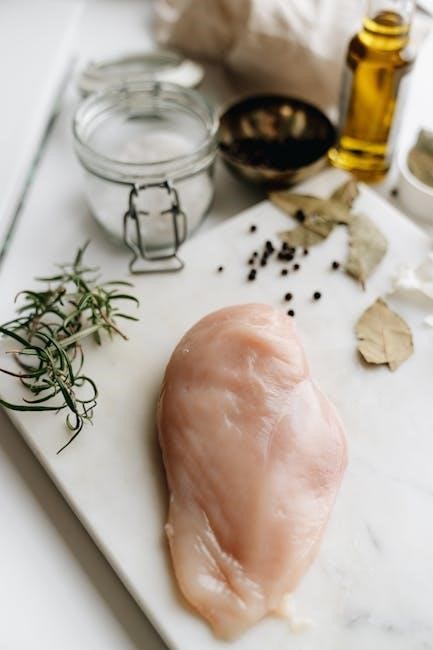
A comprehensive protein cheat sheet PDF categorizes sources for easy meal planning. Lean meats & poultry, like chicken breast and turkey, offer substantial protein with minimal fat. Fish & seafood, including salmon and tuna, provide protein alongside healthy omega-3 fatty acids.

Dairy products, such as Greek yogurt and cottage cheese, are convenient options, but calorie content should be considered. Plant-based powerhouses – beans & legumes – deliver protein and fiber, ideal for vegetarian or vegan diets. Finally, nuts & seeds contribute healthy fats and a moderate protein boost. A well-structured cheat sheet details protein and calorie counts per common serving size within each category, enabling informed food choices. Utilizing this breakdown simplifies hitting daily protein targets and diversifying your intake.
Lean Meats & Poultry: Protein Content per Serving
A detailed protein cheat sheet PDF highlights the protein power of lean meats and poultry. A 3-ounce serving of chicken breast typically provides around 26 grams of protein, making it a staple for many. Similarly, turkey breast offers approximately 25 grams of protein per 3-ounce portion. Lean ground beef (93% lean) delivers about 22 grams of protein in the same serving size;
Pork tenderloin is another excellent choice, boasting around 26 grams of protein. When using the cheat sheet, remember that cooking methods can slightly affect nutrient content. Prioritizing these lean options supports muscle growth and satiety while minimizing unnecessary fat intake. The PDF often includes specific values for various cuts and preparations, ensuring accurate tracking of your protein consumption.
Fish & Seafood: High-Protein Options
The protein cheat sheet PDF emphasizes fish and seafood as excellent high-protein sources. A 3-ounce serving of salmon provides roughly 22 grams of protein, alongside beneficial omega-3 fatty acids. Tuna, another popular choice, offers around 25 grams of protein for the same portion size. Cod delivers approximately 20 grams, making it a lean and healthy option.
Shrimp, a versatile seafood, contains about 20 grams of protein per 3-ounce serving. The cheat sheet often details protein content for different types of fish – halibut, trout, and tilapia are frequently included. Incorporating these options into your diet supports muscle recovery and overall health. Remember to consider preparation methods; baking or grilling preserves more nutrients than frying. Accurate tracking, aided by the PDF, is key to meeting your protein goals.

Dairy Products: Protein & Calorie Considerations
A comprehensive protein cheat sheet PDF highlights dairy’s protein contribution, but also stresses calorie awareness. One cup of Greek yogurt boasts around 20-23 grams of protein, making it a standout choice, though fat content varies. Milk (one cup) provides roughly 8 grams of protein, with differing amounts based on fat percentage – skim, 2%, or whole.
Cottage cheese, a half-cup serving, delivers approximately 12-14 grams of protein. Cheese varieties offer varying protein levels; cheddar provides around 7 grams per ounce, while mozzarella offers about 6 grams. The PDF often includes a breakdown of protein and calorie counts, crucial for weight management. Choosing lower-fat options maximizes protein intake while minimizing calorie consumption. Careful portion control, guided by the cheat sheet, is essential for balancing nutritional needs.
Beans & Legumes: Plant-Based Protein Powerhouses
The protein cheat sheet PDF emphasizes beans and legumes as excellent plant-based protein sources, vital for vegetarians and anyone seeking dietary variety. One cup of cooked lentils provides roughly 18 grams of protein and a significant fiber boost, aiding digestion and satiety. Black beans, similarly, offer around 15 grams of protein per cup, alongside essential nutrients.
Chickpeas (garbanzo beans) deliver approximately 14.5 grams of protein per cup, making them versatile for salads, hummus, or roasted snacks. Kidney beans contribute about 13 grams of protein. The PDF often details the protein content alongside carbohydrate and fiber information, crucial for balanced meal planning. These options are generally lower in fat than many animal protein sources, offering a heart-healthy alternative. Utilizing a cheat sheet ensures accurate tracking of protein intake from these powerful plant foods.
Nuts & Seeds: Healthy Fats & Protein Combined
A comprehensive protein cheat sheet PDF highlights nuts and seeds as convenient protein sources, also delivering beneficial healthy fats. Almonds, for example, provide around 6 grams of protein per ounce (about 23 almonds), alongside monounsaturated fats supporting heart health. Chia seeds, though small, pack a punch with roughly 5 grams of protein and significant fiber in just two tablespoons.
Pumpkin seeds offer approximately 7 grams of protein per ounce, while sunflower seeds contribute around 6 grams. Walnuts provide about 4 grams of protein and are rich in omega-3 fatty acids. The PDF typically details serving sizes and corresponding protein content, aiding accurate tracking. While calorie-dense, nuts and seeds contribute to satiety and overall nutritional value. They’re ideal snacks or additions to meals, offering a protein boost alongside essential nutrients, as detailed in the cheat sheet.
Sample Protein Cheat Sheet Data (PDF Contents)

A typical protein cheat sheet PDF organizes data in a clear, easy-to-reference format. For lean meats, a 3oz serving of chicken breast yields approximately 26 grams of protein, while the same portion of sirloin steak provides around 25 grams. Fish options include salmon (22g protein per 3oz) and tuna (20g per 3oz). Dairy listings often feature Greek yogurt (20g per cup) and cottage cheese (25g per cup).
Plant-based sources are also detailed: one cup of lentils offers about 18 grams of protein, and black beans provide roughly 15 grams. Nuts and seeds are included, with almonds (6g protein/oz) and chia seeds (5g protein/2 tbsp). The PDF usually presents this information in a table format, alongside calorie counts per serving. It may also include a section calculating protein needs based on body weight, offering a personalized guide for optimal intake, as a quick reference.
Using a Protein Cheat Sheet for Meal Planning
A protein cheat sheet PDF streamlines meal planning by providing a quick visual guide to protein content in various foods. Instead of constantly searching for nutritional information, you can instantly identify high-protein options to incorporate into each meal. This is particularly useful when aiming for a specific daily protein target, whether for weight loss, muscle gain, or overall health.
Begin by outlining your meals – breakfast, lunch, dinner, and snacks. Then, consult the cheat sheet to select foods that contribute significantly to your protein goals. For example, swapping a carb-heavy breakfast for eggs and Greek yogurt can dramatically increase your protein intake early in the day. The cheat sheet helps ensure balanced meals, making it easier to consistently meet your nutritional needs and stay on track with your dietary plan.
Protein Intake Timing: Optimizing Muscle Synthesis
Strategic protein timing, aided by a protein cheat sheet PDF, is crucial for maximizing muscle protein synthesis. Consuming protein throughout the day, rather than in one large meal, provides a consistent supply of amino acids needed for muscle repair and growth. Utilizing the cheat sheet allows for informed choices about protein sources at each meal.
Post-workout protein intake is particularly important, ideally within a few hours of exercise. The cheat sheet helps quickly identify convenient and effective protein sources for recovery, like lean meats, fish, or protein-rich dairy. Spreading protein intake evenly – approximately every 3-4 hours – keeps amino acid levels elevated, supporting continuous muscle building. Remember, the cheat sheet isn’t just about how much protein, but also about when to consume it for optimal results.
Protein & Weight Loss: A Synergistic Relationship
Leveraging a protein cheat sheet PDF can significantly enhance weight loss efforts. Protein promotes satiety – the feeling of fullness – more effectively than carbohydrates or fats, naturally reducing calorie intake. This makes adhering to a calorie-controlled diet easier and more sustainable. The cheat sheet provides a quick reference for high-protein, lower-calorie food choices, simplifying meal planning.
Furthermore, protein has a higher thermic effect of food (TEF) than other macronutrients, meaning your body burns more calories digesting it. This contributes to a slight metabolic boost. Utilizing the cheat sheet to prioritize lean protein sources, like poultry and fish, supports preserving muscle mass during weight loss, which is vital for maintaining a healthy metabolism. A high-protein diet, guided by the cheat sheet, fosters a synergistic relationship with weight loss goals.
Protein & Muscle Gain: Fueling Your Workouts
A protein cheat sheet PDF is an invaluable tool for individuals focused on muscle gain. Protein is the fundamental building block of muscle tissue; adequate intake is crucial for repairing and building muscle fibers damaged during exercise. The cheat sheet simplifies identifying protein-rich foods, ensuring you consistently meet your daily requirements.
Optimizing protein intake, guided by the cheat sheet’s data, supports muscle protein synthesis – the process of building new muscle. Consuming protein post-workout is particularly important, as it replenishes amino acid stores depleted during training. The cheat sheet helps you calculate your individual protein needs based on your weight and activity level, ensuring you’re fueling your workouts effectively. Prioritizing lean meats, fish, and dairy (as detailed in the cheat sheet) provides essential amino acids for optimal muscle growth and recovery.
Common Mistakes to Avoid When Tracking Protein
Utilizing a protein cheat sheet PDF effectively requires awareness of common pitfalls. A frequent error is underestimating portion sizes; accurately measuring food is vital for precise tracking. Relying solely on memory can lead to significant inaccuracies, diminishing the cheat sheet’s usefulness. Another mistake is neglecting to account for protein in all food sources – even seemingly small additions contribute to your daily total.
Furthermore, individuals often focus solely on total protein intake, overlooking the importance of protein distribution throughout the day. Spreading protein consumption across multiple meals optimizes muscle protein synthesis. Ignoring the protein-to-calorie ratio within food choices (as highlighted in the cheat sheet) can hinder weight management goals. Finally, failing to adjust protein intake based on activity levels or individual needs renders the cheat sheet less effective. Consistent, accurate tracking, informed by the PDF, is key.
Where to Download a Free Protein Cheat Sheet PDF
Numerous online resources offer free protein cheat sheet PDFs, designed to simplify your dietary tracking. Many registered dietitians and health & fitness websites provide downloadable charts detailing protein content in various foods. A quick search using keywords like “high protein foods chart PDF” or “protein cheat sheet free download” will yield several options.
Specifically, several websites advertise free PDFs from trusted dietitians, perfect for meal planning and healthy eating. These resources often categorize protein sources – meats, dairy, legumes, nuts – with corresponding protein and calorie information. Be sure to select PDFs from reputable sources to ensure accuracy. Look for charts that clearly outline serving sizes and protein grams per serving. Downloading and printing these cheat sheets provides a handy, go-to guide for achieving your protein goals daily, supporting both weight loss and muscle gain efforts.
Beyond the Cheat Sheet: Protein Supplements

While a protein cheat sheet is an excellent starting point for optimizing intake through whole foods, protein supplements can be valuable additions, particularly for individuals with higher protein needs or dietary restrictions. Supplements like whey, casein, soy, and plant-based protein powders offer a convenient way to boost daily protein consumption.
However, supplements shouldn’t replace a balanced diet based on the information found within your protein cheat sheet. They are best utilized to supplement whole food sources when meeting daily requirements proves challenging. Consider factors like digestibility, allergies, and personal preferences when choosing a supplement. Remember to read labels carefully and prioritize products from reputable brands. A cheat sheet helps you understand your baseline needs, allowing informed decisions about whether and when to incorporate supplements into your overall nutrition strategy for optimal results.