Krups machines offer varied quality, with concerns about reliability even at higher price points, as evidenced by reported issues like internal leaks and error codes.
Overview of Krups as a Brand
Krups, a renowned name in small kitchen appliances, boasts a history stretching back over 160 years, originating in Germany before becoming a part of the Groupe SEB. While celebrated for its diverse product range – from coffee makers and toasters to kettles and food processors – its espresso machines occupy a competitive segment. Online discussions reveal a mixed perception regarding Krups espresso machine reliability.
Some users express satisfaction, while others report issues, even with more expensive models, questioning the value proposition of investing significantly more for perceived durability. Reports of internal component failures, particularly concerning water flow and residue tray mechanisms, surface frequently. These observations suggest a potential trade-off between affordability and long-term dependability when choosing a Krups espresso machine.
Popular Krups Espresso Machine Models
Krups offers a range of espresso machines, with the EA82 series frequently discussed online. Users note its tendency to become internally messy, requiring frequent attention to prevent issues. The EA8050 is another popular model, however, it’s often associated with the frustrating “Error 06” – a blockage within the water flow system, frequently requiring disassembly to resolve.
These models represent a mid-range price point, aiming to balance features and affordability. Despite their popularity, online forums are filled with user experiences detailing repair needs and component failures. This suggests that while these machines are widely purchased, potential buyers should be aware of common issues and the possibility of maintenance requirements beyond routine cleaning.
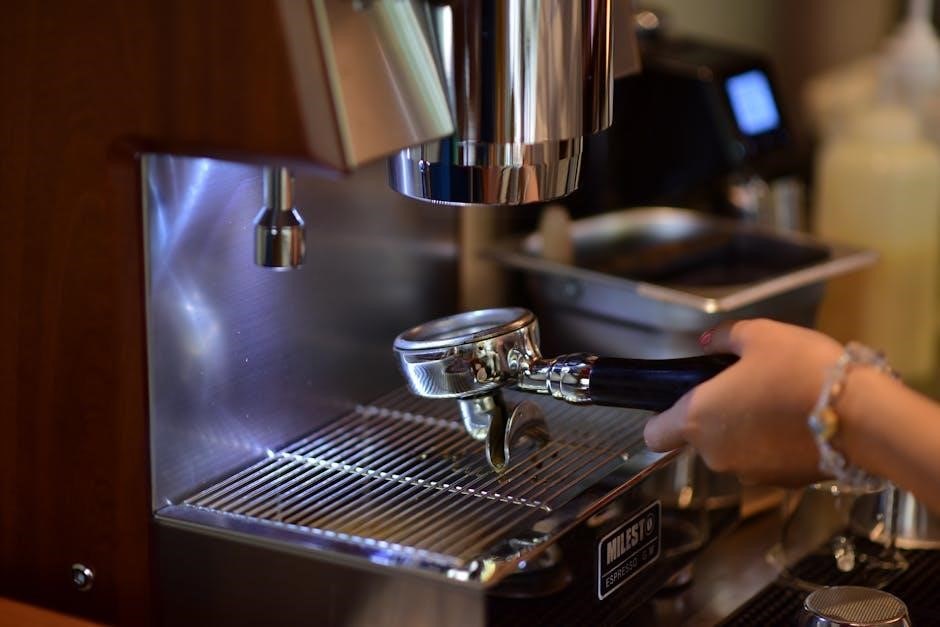
Understanding Your Krups Espresso Machine
Krups machines can experience blockages, particularly near the pump, leading to errors like “06”, necessitating internal inspection and cleaning for optimal function.
Key Components and Their Functions
Essential components within a Krups espresso machine work in harmony to deliver your perfect brew. The water tank provides the necessary reservoir, while the pump generates the pressure crucial for espresso extraction. The heating element rapidly heats the water to the ideal temperature.
The brew group, often containing the portafilter (in some models), is where the pressurized hot water interacts with the ground coffee. A grinder (integrated in many models) ensures freshly ground beans for optimal flavor. The drip tray collects excess liquid, and the waste container manages used coffee grounds.
Furthermore, sensors and electronic controls manage temperature, pressure, and water flow, while the steam wand (if equipped) allows for milk frothing. Understanding each component’s role is vital for effective maintenance and troubleshooting, especially regarding issues like blockages near the pump.
Control Panel and Display Explained
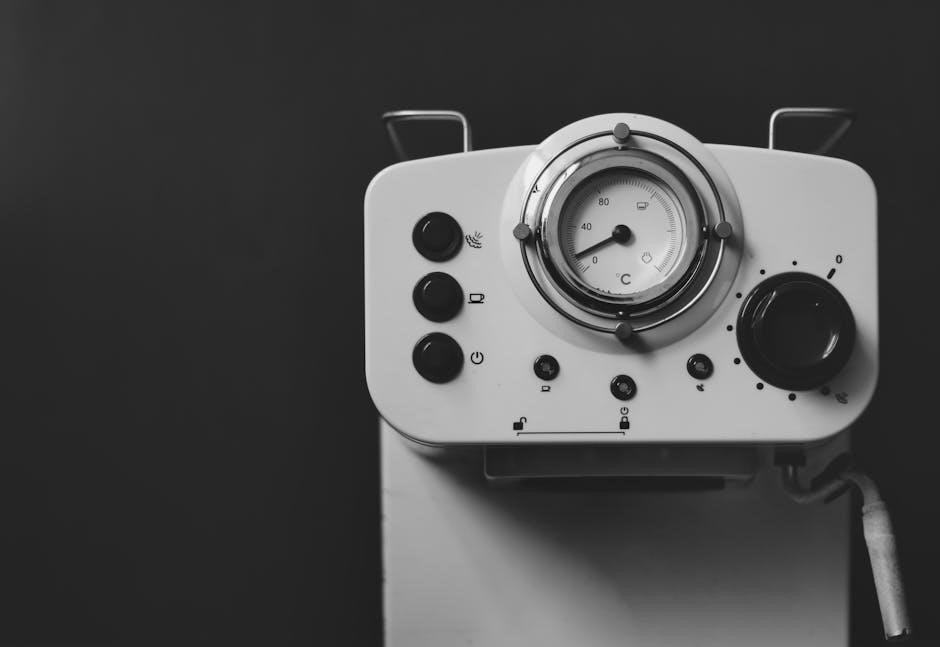
Krups espresso machine control panels vary by model, but generally feature buttons for power, espresso shot volume (single/double), and steam functions. Displays, ranging from simple indicator lights to LCD screens, provide crucial information. Common indicators include ‘ready’ signals, water level warnings, and descaling alerts.
Error codes, like the frequently reported “Error 06”, are displayed to signal specific malfunctions, often related to flow issues or blockages. Buttons may also control coffee strength settings or programming options for customized drinks. The display often prompts actions, such as “Empty drip tray” or “Insert coffee grounds”.
Familiarizing yourself with your machine’s specific panel layout and interpreting the displayed messages is essential for operation and addressing potential problems, like a difficult-to-close waste container.
Initial Setup and First-Time Use
Before first use, unpack your Krups espresso machine and remove all packaging materials. Rinse the water reservoir, drip tray, and portafilter (if applicable) with clean water. Fill the reservoir with fresh, filtered water – crucial for optimal flavor and preventing scale buildup.
Prime the system by running several cycles without coffee grounds. This removes any manufacturing residue. Follow the manual’s instructions for initial rinsing, which typically involves dispensing water through the coffee outlet. Ensure the drip tray is correctly positioned to catch any spills.
Be mindful of potential issues, like a waste container that doesn’t fully close, during this initial setup. A proper first-time run is vital for ensuring your machine functions correctly and delivers a quality espresso experience.
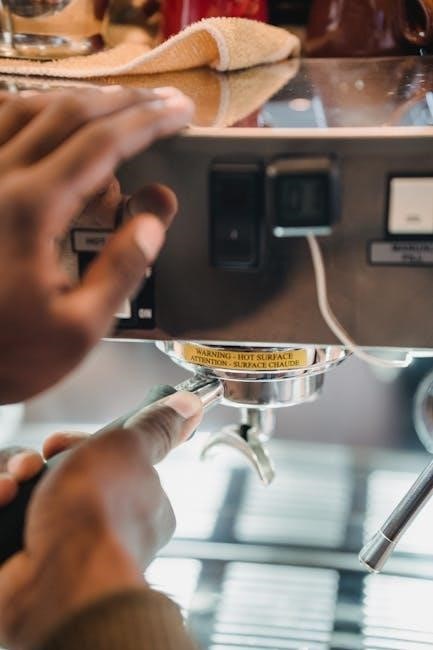
Brewing Espresso with Your Krups Machine
Espresso preparation requires attention to detail, from selecting appropriate bean grind settings to ensuring proper portafilter preparation for optimal extraction.
Grinding the Beans – Settings and Recommendations
Achieving the perfect espresso begins with properly ground coffee beans. The ideal grind size for Krups espresso machines is crucial for optimal extraction. Generally, a fine grind is recommended, but experimentation is key, as variations exist between bean types and desired strength.
Start with a medium-fine setting and adjust incrementally. If the espresso flows too quickly, indicating an under-extraction, use a finer grind. Conversely, if the flow is slow or nonexistent, suggesting over-extraction, opt for a coarser setting. Consistent grind size is paramount; uneven grinding leads to inconsistent flavor.
Freshly ground beans are always preferable, as pre-ground coffee loses its aroma and flavor rapidly. Utilize a burr grinder for a uniform grind, avoiding blade grinders which produce inconsistent particle sizes. Regularly calibrate your grinder to maintain accuracy and ensure consistent results with each brew.
Tamping and Portafilter Preparation (if applicable)
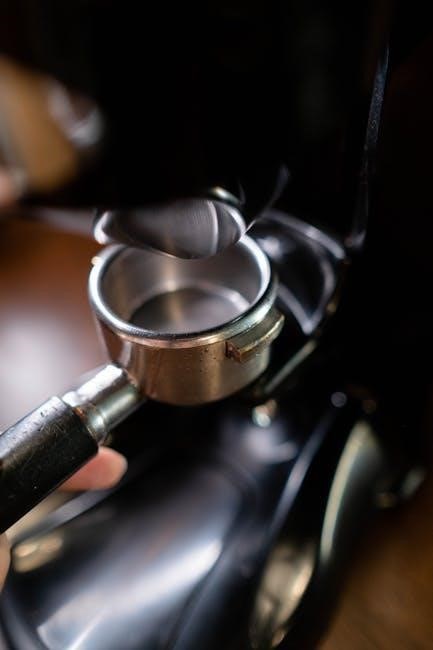
For Krups models utilizing a portafilter, proper tamping is essential for even extraction. Begin by ensuring the portafilter is clean and dry. Distribute the ground coffee evenly within the basket, eliminating any clumps or gaps. A level distribution ensures consistent water flow.
Apply approximately 30 pounds of pressure when tamping. Use a calibrated tamper for consistent force. Tamp straight down, maintaining a level surface. Uneven tamping creates channels, leading to uneven extraction and a subpar espresso.
Wipe away any loose grounds from the portafilter rim before locking it into the machine. A clean rim ensures a proper seal, preventing leaks during brewing. Regularly clean the portafilter and basket to remove coffee oils and residue, maintaining optimal flavor and performance.
Espresso Extraction Process – Step-by-Step
Begin by ensuring the water tank is filled and the machine is properly warmed up, following the initial setup instructions. Insert the prepared portafilter firmly into the brew group, locking it securely into place. Select your desired espresso volume or strength setting on the control panel.
Initiate the brewing cycle by pressing the espresso button. Observe the extraction process; a rich, dark crema should begin to form on top of the espresso. The ideal extraction time is typically between 25-30 seconds.
Monitor the flow – it should resemble warm honey. If the flow is too fast or slow, adjust your grind size and tamping pressure accordingly. Once the desired volume is reached, the machine will automatically stop the extraction. Carefully remove the portafilter and enjoy your freshly brewed espresso!
Maintenance and Cleaning
Regular cleaning is crucial; issues like difficult-to-slide drip trays and error codes (like 06) highlight the need for consistent upkeep of your Krups machine.
Daily Cleaning Procedures
Consistent daily maintenance significantly extends the life of your Krups espresso machine and ensures optimal performance. After each use, immediately empty the drip tray to prevent overflows and maintain hygiene. Rinse the drip tray thoroughly with warm water. Remove the brewing unit and rinse it under running water, ensuring all coffee grounds are removed – this prevents blockages.
Wipe down the exterior of the machine with a damp cloth to remove any coffee splatters or residue. Pay particular attention to the steam wand, if applicable, wiping it clean after each milk frothing session to prevent milk buildup. Finally, ensure the water reservoir is emptied overnight to avoid stagnation and potential bacterial growth. These simple steps contribute to a cleaner, more reliable brewing experience.
Descaling Your Krups Espresso Machine
Regular descaling is crucial for removing mineral buildup that can affect your Krups machine’s performance and lifespan. Use a commercially available descaling solution specifically designed for espresso machines, following the product’s instructions carefully. Typically, this involves adding the solution to the water reservoir, running a descaling cycle (consult your manual for specific steps), and then rinsing thoroughly with fresh water.
The frequency of descaling depends on your water hardness; harder water requires more frequent descaling. Ignoring descaling can lead to reduced water flow, increased brewing time, and ultimately, machine failure. A clogged machine due to scale will require professional servicing, so preventative descaling is highly recommended.
Cleaning the Milk Frother (if applicable)
Thorough cleaning of the milk frother after every use is essential to prevent milk residue buildup, which can harbor bacteria and affect the quality of your frothed milk. Immediately after use, disassemble the frother components – typically the steam wand, nozzle, and any detachable parts – and rinse them under warm running water.
For stubborn milk residue, soak the parts in warm, soapy water or use a dedicated milk frother cleaning solution. Ensure all parts are completely dry before reassembling. Regularly wipe down the exterior of the frother with a damp cloth. Neglecting this cleaning can lead to blockages and a diminished frothing performance, impacting your beverage enjoyment.
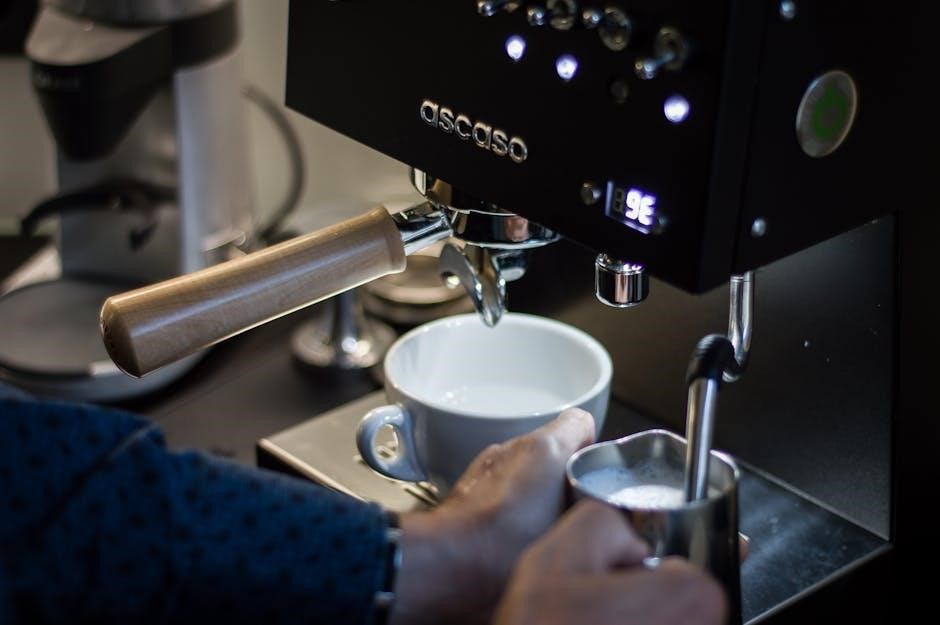
Troubleshooting Common Issues
Krups machines frequently display error codes, such as the “Error 06,” often linked to flow restrictions within the internal water pathways of the device.
Error Codes and Their Meanings (e.g., Error 06)
Krups espresso machines utilize error codes to signal specific malfunctions, aiding in diagnosis and repair. A commonly reported issue is “Error 06,” which frequently indicates a blockage or restriction in the water flow system. Users have found this often stems from buildup within the narrow passageway near the pump, hindering proper water circulation.
Troubleshooting typically involves a thorough disassembly to access and clear this obstruction. Other potential causes for Error 06 include issues with the flowmeter or airlocks within the system. It’s crucial to consult the machine’s manual for a complete list of error codes and their corresponding solutions, as interpretations can vary between models. Ignoring these codes can lead to further damage.
Water Leaks and How to Fix Them
Water leaks in Krups espresso machines are a common concern, often originating from several potential sources. Internal leaks, as reported by users, can occur due to loose connections, worn seals, or cracks in internal tubing. A frequent location is around the brewing unit or the water reservoir connections.
Initial troubleshooting involves checking all accessible connections for tightness and inspecting for visible damage. If the leak persists, a more detailed inspection of the internal components may be necessary. Replacing worn seals or damaged tubing is often the solution. Always disconnect the machine from power before attempting any repairs, and consult the user manual for specific guidance related to your model.
Grinder Issues and Solutions
Grinder malfunctions can significantly impact your Krups espresso experience. Issues range from inconsistent grinding to complete grinder failure. Users have reported problems with bean jams, particularly with oily bean varieties, leading to grinder blockage. Another common issue is the grinder becoming noisy or producing uneven grounds.
Solutions often involve thoroughly cleaning the grinder burrs and housing, removing any accumulated coffee residue. Ensure you’re using the correct bean type and grind setting for your machine. If the grinder continues to malfunction, inspecting for worn or damaged burrs might be necessary. Refer to your machine’s manual for detailed cleaning and maintenance instructions before attempting any repairs.
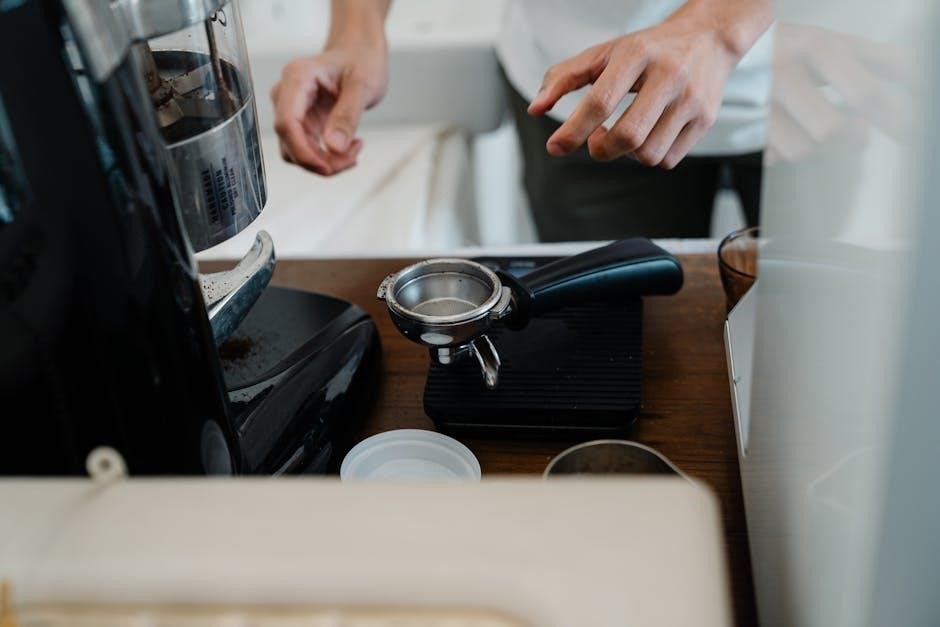
Advanced Features and Customization
Krups machines allow users to adjust coffee strength and volume, and program settings for preferred drinks, enhancing personalization beyond basic espresso brewing.
Adjusting Coffee Strength and Volume
Krups espresso machines frequently offer customizable settings for both coffee strength and the volume of brewed espresso. Users can typically adjust the strength by modifying the amount of ground coffee used per brew, or through dedicated strength settings on the machine’s control panel. Increasing the coffee quantity results in a bolder, more intense flavor profile.
Volume adjustment is usually controlled by interrupting the brewing process manually, or by pre-programming the desired espresso length. This allows for creating everything from a short, concentrated espresso shot to a longer, more diluted Americano-style coffee. Experimentation is key to finding the perfect balance of strength and volume to suit individual preferences. Refer to your specific model’s manual for detailed instructions on accessing and modifying these settings.
Programming Your Machine for Specific Drinks
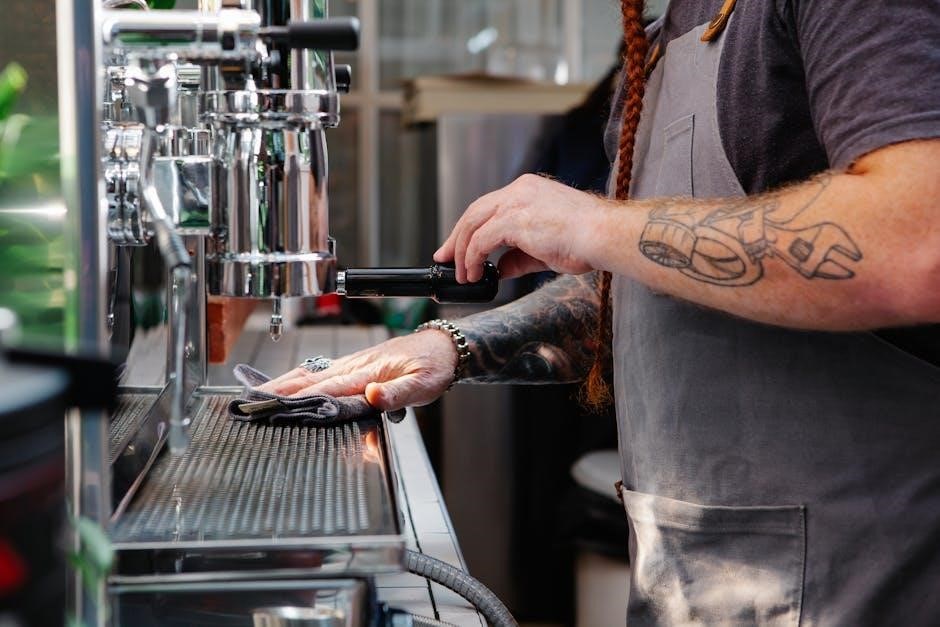
Many Krups espresso machines boast programmable functions, allowing users to save customized settings for their favorite beverages. This typically involves setting the desired coffee strength, volume, and sometimes even milk frothing parameters. The programming process usually involves holding down specific buttons on the control panel while selecting the desired settings.
Once programmed, these settings can be quickly recalled with a single button press, streamlining the drink preparation process. This feature is particularly useful for frequently made drinks like lattes, cappuccinos, or long espressos. Consult your machine’s manual for a step-by-step guide on programming specific drink profiles, as the exact procedure varies between models. Saving presets ensures consistent results every time.
Using the Hot Water Dispenser
Krups espresso machines often include a hot water dispenser, a versatile feature for various uses beyond espresso. This function delivers heated water, ideal for preparing Americanos by diluting espresso, warming cups before use, or making tea and other hot beverages. Activation typically involves pressing a dedicated button on the control panel, or selecting a specific hot water option within the menu.
The dispensed volume can often be adjusted, allowing you to control the amount of hot water delivered. Always exercise caution when using the hot water dispenser, as the water is extremely hot and can cause burns. Refer to your machine’s manual for specific instructions and safety guidelines regarding the hot water function.
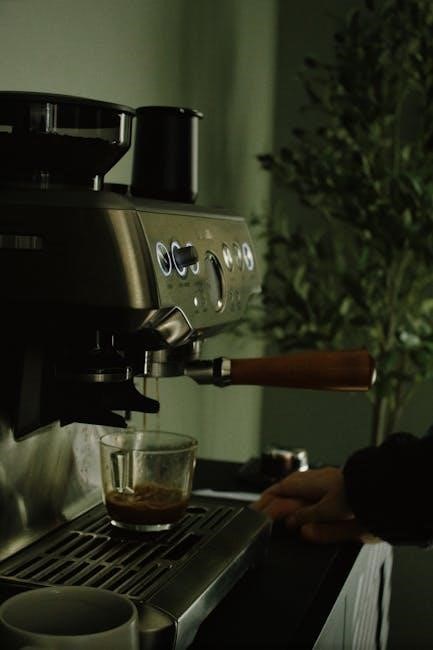
Safety Precautions
Always prioritize electrical safety and avoid burns from hot components; proper machine placement is crucial to prevent accidents and ensure safe operation.
Electrical Safety Guidelines
Ensure your Krups espresso machine is plugged into a grounded outlet with the correct voltage to prevent electrical shock and damage to the appliance. Never operate the machine with a damaged cord or plug; replace them immediately. Avoid using extension cords whenever possible, and if necessary, use a heavy-duty extension cord rated for the machine’s wattage.
Do not immerse the machine, cord, or plug in water or any other liquid. Always unplug the machine before cleaning or performing any maintenance. Keep the machine away from heat sources and flammable materials. If the machine malfunctions or shows signs of electrical issues, unplug it immediately and contact Krups customer support for assistance. Never attempt to repair the machine yourself.
Avoiding Burns and Scalds
Exercise extreme caution when operating your Krups espresso machine, as many components reach high temperatures during and after brewing. Avoid touching the hot surfaces, including the brew group, steam wand, and exterior of the machine. Allow the machine to cool down completely before cleaning or handling any removable parts.
Be mindful of hot water and steam, which can cause severe burns. Always use the steam wand with care and direct the steam away from your body. Never open the brew group during the brewing process. Keep children and pets away from the machine while it is in operation. If hot water or steam comes into contact with your skin, immediately rinse the affected area with cool water.
Proper Machine Placement
Ensure your Krups espresso machine is placed on a stable, level surface to prevent accidental tipping or spills. Select a location near a grounded electrical outlet, avoiding extension cords whenever possible. Maintain sufficient clearance around the machine for ventilation, preventing overheating and ensuring optimal performance.
Keep the machine away from water sources, such as sinks or dishwashers, to minimize the risk of electrical shock. Avoid placing the machine in direct sunlight or near heat sources, as this can damage internal components. The surface should be heat-resistant to protect countertops from potential damage. Consider the accessibility of the water tank and bean hopper for easy refilling.
Warranty Information and Support
Krups offers warranty details for their espresso machines, and customer support is available for assistance with issues or replacement parts inquiries.
Krups Warranty Details
Krups espresso machine warranties typically cover defects in materials and workmanship for a specified period, often one or two years from the date of purchase. This coverage generally includes repair or replacement of defective parts, at Krups’ discretion. However, the warranty doesn’t usually cover issues arising from misuse, improper cleaning, or normal wear and tear.
It’s crucial to retain proof of purchase, such as a receipt, to validate any warranty claim. Modifications or repairs performed by unauthorized service providers can void the warranty. Specific warranty terms can vary depending on the model and region, so reviewing the warranty documentation included with your machine is essential. Extended warranties may also be available for purchase, offering additional protection beyond the standard coverage period.
Contacting Krups Customer Support
Krups customer support can be reached through various channels for assistance with your espresso machine. Their official website typically provides a comprehensive FAQ section and troubleshooting guides to address common issues. Direct contact options usually include a toll-free phone number for immediate support during business hours.
Additionally, Krups often offers customer service via email or online chat for less urgent inquiries. When contacting support, having your machine’s model number and purchase date readily available will expedite the process. Online forums and communities dedicated to Krups appliances can also be valuable resources for finding solutions and sharing experiences with other users. Be prepared to describe the issue in detail for efficient assistance.
Finding Replacement Parts
Locating replacement parts for your Krups espresso machine can often be done through the official Krups website, which typically features a parts store or a dedicated section for accessories. Third-party online retailers specializing in appliance parts are also excellent sources, offering a wider selection and potentially competitive pricing.
When searching, having the precise model number of your machine is crucial for ensuring compatibility. Common replacement parts include water tanks, portafilters, drip trays, and various internal components. Local appliance repair shops may also stock frequently needed parts or be able to order them for you. Always verify the part’s authenticity and return policy before making a purchase.